20 November 202620 ноября 2026
English / Русский
The Rolex Oyster: the case that kept the water outRolex Oyster: корпус, который не пустил воду
Before it was a model name, the Oyster was a promise — a wristwatch you never had to take off. How Hans Wilsdorf sealed it in 1926, and proved it in the English Channel.Прежде чем стать названием моделей, Oyster был обещанием — наручные часы, которые никогда не нужно снимать. Как Ханс Вильсдорф запечатал их в 1926 году и доказал это в водах Ла-Манша.
In the 1920s a wristwatch was still a fragile thing. Writing in 1945 for Rolex’s 40th anniversary, Hans Wilsdorf recalled what watchmakers had said against it: the mechanism was too small and delicate for the movements of hand and arm, dust and damp would spoil it, and so small a movement could never keep accurate time. Rolex had already answered the last objection with chronometer certificates. The other two were a matter of the case. His constant refrain to his technicians, he wrote, was that they must make “a watch case so tight that our movements will be permanently guaranteed against damage”.
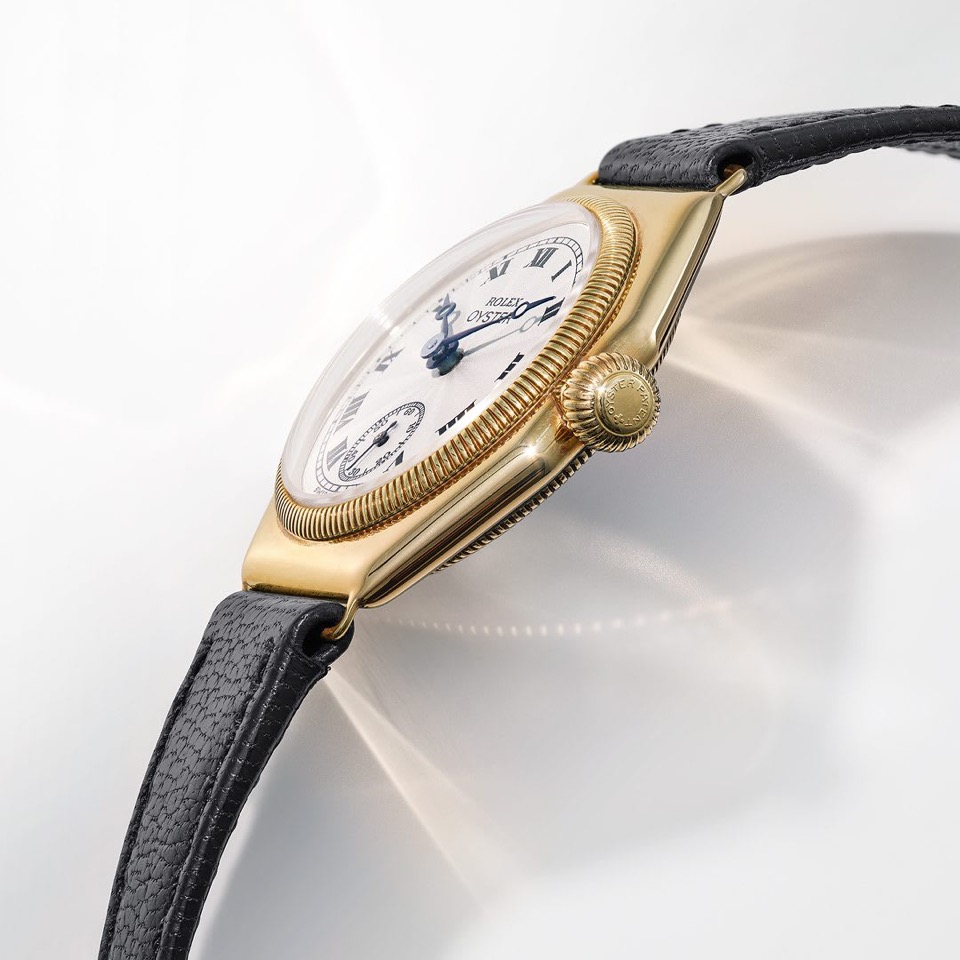
The answer came in 1926. The Oyster case was sealed by a patented system that screwed the bezel, the case back and the winding crown down against the middle case — making it, in Rolex’s words, the first waterproof and dustproof wristwatch. Wilsdorf explained the name himself: “like an oyster, it can remain an unlimited time under water without detriment to its parts.” In January 1927 he presented it to an assembly of retailers without false modesty — “Gentlemen, we make the best wristwatch in the world” — and called it “the most important invention regarding watches of recent years”.
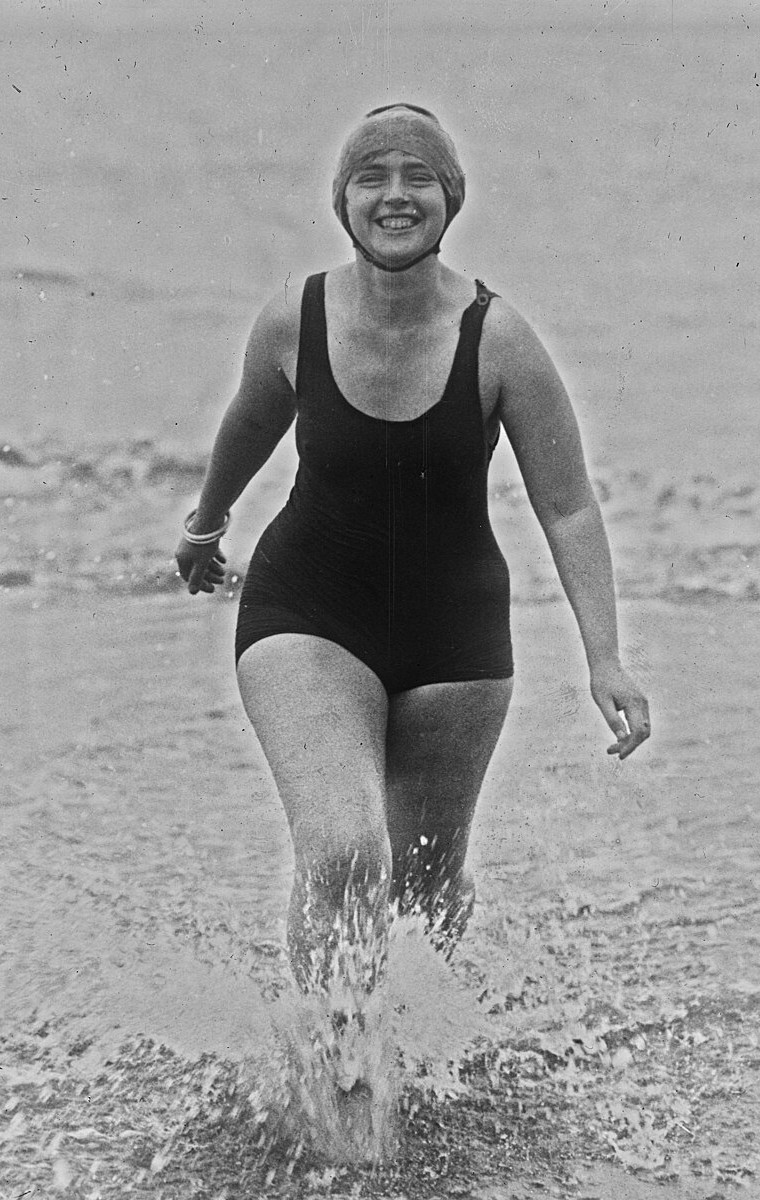
Claims were cheap; Wilsdorf wanted proof. Rolex retailers in England were asked to put a goldfish bowl in the window, with an Oyster submerged among the plants and fish — a demonstration Rolex was still using in the 1960s. In 1927 he equipped Mercedes Gleitze, a young English swimmer, with an Oyster for a swim in the English Channel. After more than ten hours in the water, the watch emerged in perfect working order. Rolex celebrated with a full-page advertisement on the front page of the Daily Mail, hailing “the wonder watch that defies the elements”. Rolex dates its idea of the Testimonee from that moment.
One weakness remained. Like every watch of its day, the first Oyster had to be wound by hand, which meant unscrewing the crown and breaching the very seal it was built around. Rolex’s answer, patented from 1931, was a self-winding mechanism with a free rotor, the Perpetual, turned by every movement of the wrist. Sealed, precise and self-winding, the Oyster Perpetual became the base for the professional watches that followed. In 1953 came the Submariner: an Oyster Perpetual with reinforced waterproofness, a Twinlock screw-down crown and a rotating graduated bezel for divers. Its story continues in our Rolex guide.
How to read it today: almost every watch in Rolex’s catalogue belongs to the Oyster family and says so on the dial, in the words “Oyster Perpetual”. The case is still built on the 1926 principle — a middle case crafted from a solid block of steel, gold or platinum, a fluted case back screwed down with a special tool, and a screw-down crown — and it is waterproof to at least 100 metres. On the 1926 original, the crown itself is stamped “Oyster Patent”. In 2026 the case turned 100, and it is still the idea on which everything else at Rolex is built.
В 1920-е годы наручные часы всё ещё оставались хрупкой вещью. В 1945 году, к 40-летию Rolex, Ханс Вильсдорф вспоминал доводы часовщиков против них: механизм слишком мал и деликатен для резких движений руки, пыль и сырость его погубят, а столь маленький механизм никогда не сможет идти точно. На последнее возражение Rolex к тому времени уже ответил хронометрическими сертификатами. Два других были делом корпуса. Своим техникам, писал Вильсдорф, он неустанно повторял: нужно сделать «корпус настолько плотным, чтобы механизм был навсегда защищён от повреждений».
Ответ появился в 1926 году. Корпус Oyster герметизировала запатентованная система: безель, задняя крышка и заводная головка завинчивались на среднюю часть корпуса — по словам Rolex, так появились первые водо- и пыленепроницаемые наручные часы. Название Вильсдорф объяснил сам: «как устрица, они могут сколь угодно долго оставаться под водой без ущерба для своих частей». В январе 1927 года он представил новинку собранию ретейлеров без ложной скромности — «Господа, мы делаем лучшие наручные часы в мире» — и назвал её «самым важным часовым изобретением последних лет».
Слова ничего не стоили — Вильсдорфу нужны были доказательства. Ретейлеров Rolex в Англии попросили выставить в витрине аквариум с золотыми рыбками, где среди водорослей и рыб лежали часы Oyster, — к такой демонстрации Rolex прибегал ещё и в 1960-е. В 1927 году Вильсдорф снабдил часами Oyster молодую английскую пловчиху Мерседес Глейце, отправлявшуюся в заплыв через Ла-Манш. После более чем десяти часов в воде часы работали безупречно. Rolex отметил это рекламой на всю первую полосу Daily Mail, воспев «чудо-часы, бросающие вызов стихиям». С этого момента Rolex отсчитывает историю своих Testimonee — амбассадоров марки.
Оставалась одна слабость. Как и все часы своего времени, первый Oyster нужно было заводить вручную, а значит, отвинчивать головку и нарушать ту самую герметичность, ради которой он был создан. Ответом Rolex, запатентованным начиная с 1931 года, стал механизм автоподзавода со свободно вращающимся ротором Perpetual, который приводит в движение каждое движение запястья. Герметичный, точный и самозаводящийся, Oyster Perpetual стал основой для всех последующих профессиональных моделей. В 1953 году появился Submariner — Oyster Perpetual с усиленной водонепроницаемостью, завинчивающейся головкой Twinlock и вращающимся градуированным безелем для дайверов. Его история продолжается в нашем гиде по Rolex.
Как читать Oyster сегодня: почти все часы в каталоге Rolex принадлежат семейству Oyster и сообщают об этом на циферблате словами «Oyster Perpetual». Корпус по-прежнему построен на принципе 1926 года: средняя часть, выточенная из цельного блока стали, золота или платины, рифлёная задняя крышка, которую завинчивают специальным инструментом, и завинчивающаяся головка; водонепроницаемость — не менее 100 метров. На оригинале 1926 года на самой головке выбито «Oyster Patent». В 2026 году корпусу исполнилось 100 лет — и он по-прежнему остаётся идеей, на которой построено всё остальное в Rolex.
SourcesИсточники
- Rolex — Oyster Story: a visionary undertaking
- Rolex — History, 1926–1945
- Rolex Newsroom — The Oyster, 90 years of perpetual innovation (press kit, PDF)
- Rolex — Oyster Story: a collection shaped by innovation
OHMONDE writes its stories in its own words from the sources above. Spotted an error?OHMONDE пишет свои истории своими словами по источникам выше. Заметили ошибку? [email protected]